
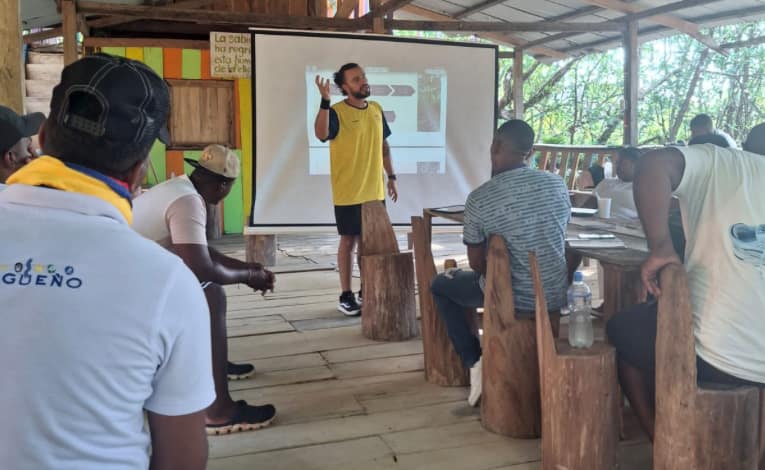
The MangrovES research team conducted its first field visit from 2 March to 6 April 2026 in the municipality of Buenaventura, Valle del Cauca, working with two Afro-descendant communities on Colombia’s Pacific coast: the Punta Soldado Community Council and the Bahía Málaga–La Plata Community Council.
The visit aimed to formally introduce the project to both communities and conduct participatory workshops to identify the contributions mangroves make to human well-being, as well as the actors and governance initiatives present in their territories. In total, 13 workshops were held with community councils, women, young people, and social leaders from the five communities visited: Punta Soldado, La Plata, Mangaña, La Sierpe, and Miramar.
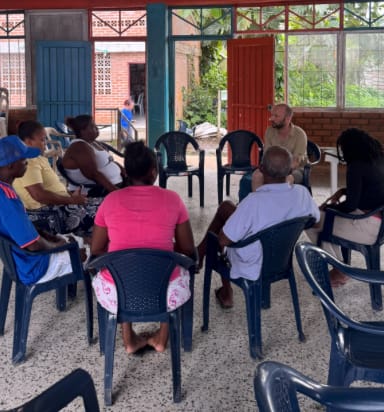
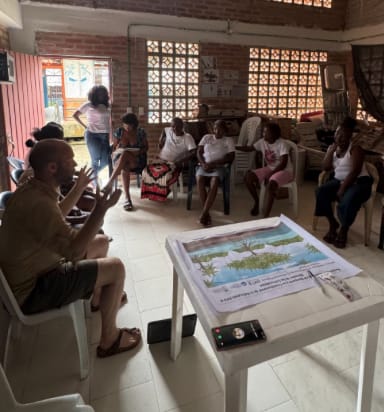
The workshops showed that, for both communities, mangroves are above all a source of life. They provide food — especially piangua shellfish, fish, and other seafood — as well as construction materials, medicinal resources, cultural identity, tourism opportunities, and coastal protection against erosion and storms. The communities also expressed growing concern about the decline in fishery resources, particularly changes in piangua behaviour that are affecting its harvesting.
No responses yet